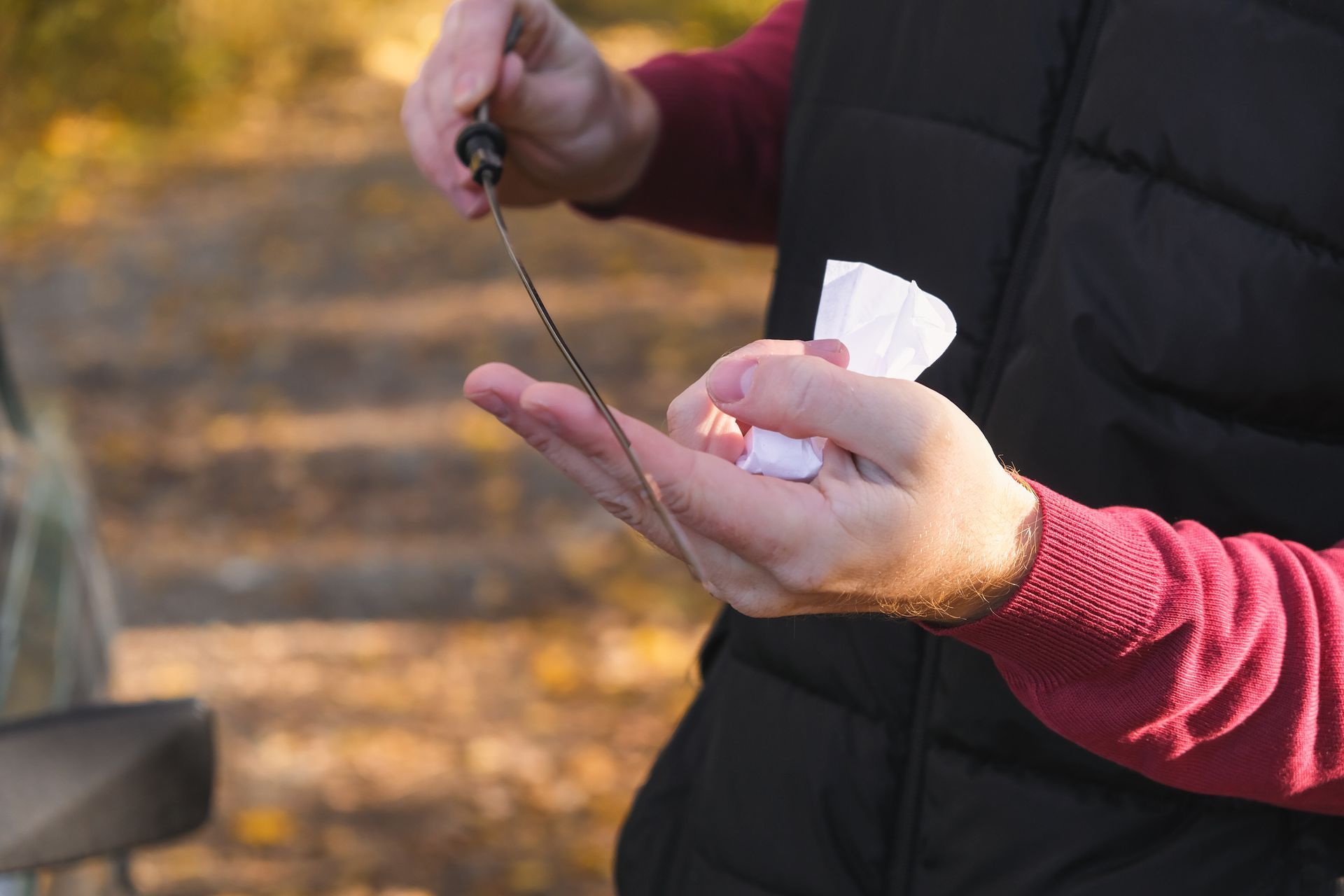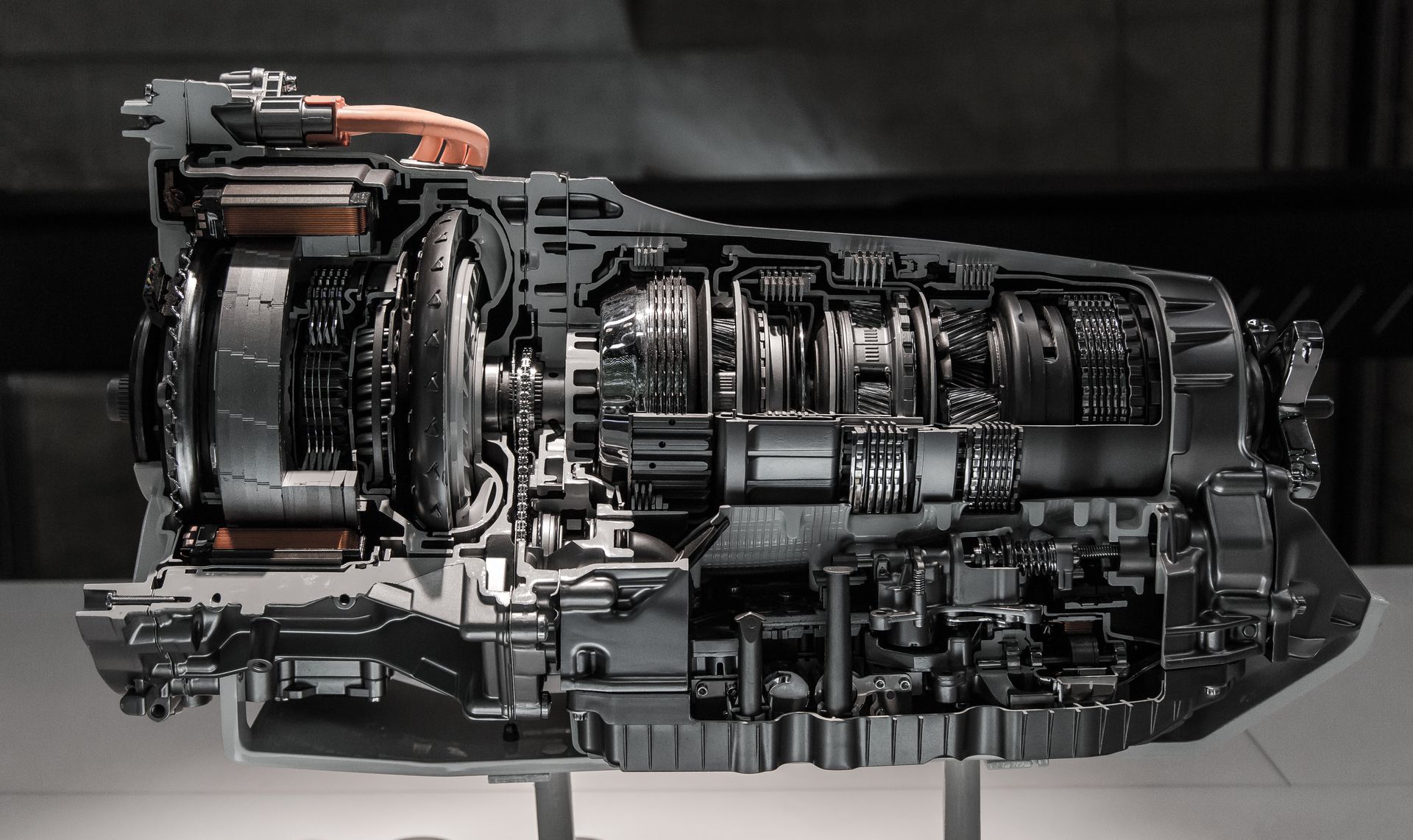
It is annoying to pull the dipstick and see the level lower than you expected. The car may start normally, run normally, and give you no obvious warning. Then you are left wondering whether it is leaking, burning, or something you did wrong.
The oil level does not drop for no reason. It comes down to oil leaving the engine externally, getting consumed internally, or being pushed or pulled through a system that is supposed to control pressure and vapors.
Catching the trend early protects your engine and keeps a small issue from turning into an expensive one.
How To Confirm The Oil Level Is Really Dropping
Check the dipstick the same way each time. Park on level ground, shut the engine off, wait a few minutes, then wipe and re-check so you are reading clean oil, not splatter. Small differences in timing or parking angle can make the level look different.
Track miles and top-offs so you have real data. A note like added 1 quart at 1,100 miles tells you whether this is mild, moderate, or getting worse. These clues often show up when the drop is more than normal:
- You need to add oil between services
- You smell burnt oil after driving
- The oil light flickers on turns or braking
- You see damp, oily buildup underneath
1. External Oil Leaks You Do Not See Right Away
Many leaks never make it to the ground. Oil can seep onto a splash shield, collect grime, and spread out while you drive, so it looks like a general mess instead of a drip. A clean driveway does not rule out an oil leak.
Common sources include valve cover gaskets, oil filter housings, oil pan seals, and crankshaft seals. A faint burning smell after a drive can happen when oil lands on a hot surface and cooks off. Fixing a seep early usually costs far less than waiting until the level drops dangerously low.
2. Oil Burning Through Rings Or Valve Seals
Oil burning means oil is getting into the cylinders and being consumed as the engine runs. Worn piston rings can let oil remain on the cylinder wall, while worn valve seals can allow oil to drip in after the car sits. That is why some vehicles smoke briefly on startup, then clear up.
Smoke is not always obvious, especially on newer exhaust systems that mask it. Instead, you may notice the oil level dropping steadily with no wetness underneath. If the loss is consistent, note when it seems worse, such as after long highway drives.
3. PCV Problems That Pull Oil Into The Intake
The PCV system manages crankcase vapors and pressure. When the valve sticks or passages are restricted, pressure can rise and encourage leaks. In other cases, the system can pull too much oil vapor into the intake, and the engine burns it gradually.
This often shows up as oil loss without a puddle and without dramatic smoke. You might notice oily residue in intake tubing, a slightly rough idle, or a check engine light tied to mixture correction. We have seen PCV issues look like major oil consumption until ventilation was restored.
4. A Small Service Issue Around The Filter Or Drain Plug
If the oil level starts dropping right after an oil change, check the basics first. A loose drain plug, a worn washer, or a filter seal that did not seat correctly can seep slowly and leave very little on the ground. Timing like that is a useful clue.
Oil choice matters too. In some engines, oil that is too thin can slip past wear points more easily, especially at higher RPM. If the drop began right after service, an under-car check around the filter and plug area is a smart first step.
5. Driving Conditions That Speed Up Oil Use
Oil change intervals are based on average driving, but real life is not average. Short trips can leave more moisture and fuel dilution in the oil, and high heat can age it faster. Long idle time adds engine hours without adding many miles.
Sustained highway driving can increase oil use too, especially on higher-mileage engines. Higher RPM and steady load can pull more oil past tired seals and rings. If your oil level drops mainly after road trips or heavy stop-and-go weeks, that pattern is worth sharing.
Get Oil Loss Help in Clewiston, FL with Driver's Choice
We can check for leaks, look for signs of oil burning, and help you pinpoint why your oil level is dropping between changes. Call or schedule an appointment.
We will help you protect your engine before low oil turns into a bigger repair.